
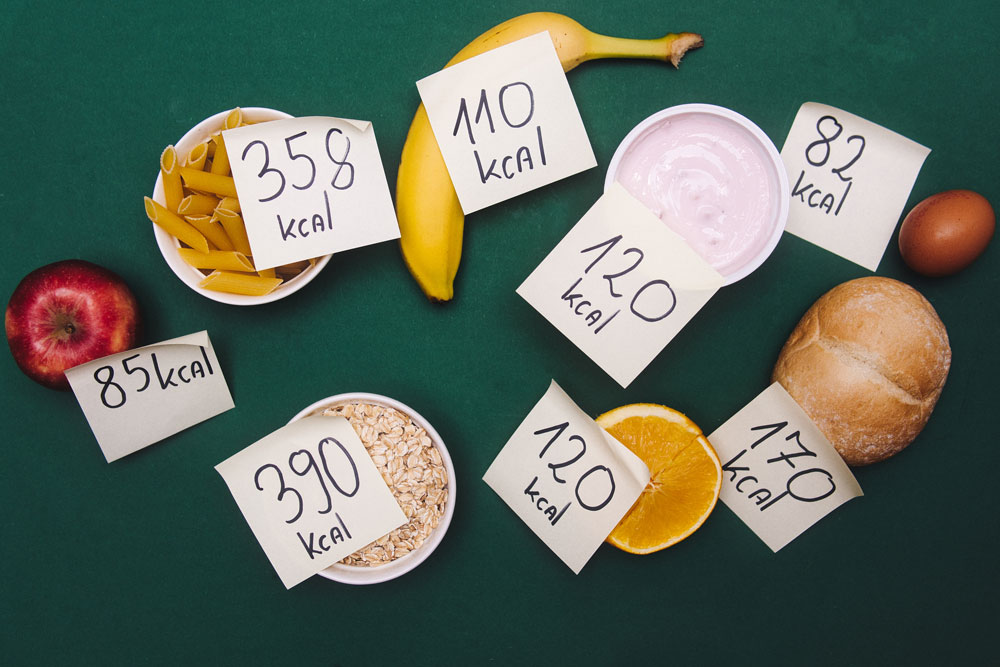
Calories measure energy, but they don’t tell the whole story. The foods you choose influence your metabolism, hormones, hunger, and long-term health in ways that calorie counts alone cannot explain.Many people trying to lose weight focus on one number: calories. While calorie intake certainly plays a role in weight management, nutrition science has shown that where those calories come from matters just as much.
Imagine eating 300 calories from a sugary soft drink and 300 calories from grilled chicken, vegetables, and brown rice. Both meals provide the same amount of energy, but your body responds to them in very different ways.
At Endocrinology Associates, we help patients look beyond simple calorie counting. By understanding calorie quality and how different nutrients affect metabolic health, you can make choices that support lasting wellness instead of chasing short-term results.
Calories Measure Energy, Not Nutrition
A calorie is simply a unit of energy. Your body uses calories to fuel every heartbeat, every breath, every thought, and every movement throughout the day.
What calories don’t measure is the nutritional value packed inside a food. That’s where calorie quality becomes important.
For example, a handful of nuts and a packaged snack cake may contain a similar number of calories. The nuts provide healthy fats, protein, fiber, vitamins, and minerals that support healthy metabolism and help satisfy hunger.
The snack cake often contains refined carbohydrates and added sugars that digest quickly. This can lead to sharper rises and falls in blood sugar, leaving you feeling hungry again much sooner.
Food Quality Shapes Your Metabolism
Your metabolism isn’t simply a calorie-burning machine. It’s a complex network of hormones and chemical reactions that constantly responds to the foods you eat.
Protein-rich foods require more energy to digest than carbohydrates or fats, a process called the thermic effect of food. Protein also helps preserve lean muscle, which supports a healthy metabolism.
Fiber-rich foods slow digestion and promote steadier blood sugar levels. They also nourish beneficial gut bacteria, which continue to show strong connections to metabolic health.
Highly processed foods often digest quickly and provide less satiety. As a result, many people feel hungry sooner, making weight management more challenging over time.
Instead of asking, “How many calories does this contain?” consider asking, “What will this food do for my body?”
Calories and Metabolism Work Together
Calories remain an important part of weight management, but metabolism influences how your body uses that energy. Age, muscle mass, hormone balance, sleep, physical activity, genetics, stress, and medical conditions all play a role.
That’s one reason two people eating similar diets may experience very different results. Healthy metabolism depends on much more than calorie intake alone.
Rather than viewing metabolism as either fast or slow, think of it as a dynamic system that responds to your daily habits. Nutritious foods, regular movement, quality sleep, and good medical care all help support metabolic health.
Choosing Foods That Work With Your Body
Building a healthy diet doesn’t require eliminating entire food groups or obsessing over every calorie. Instead, focus on foods that provide lasting nourishment and support your body’s natural metabolic processes.
Vegetables, fruits, lean proteins, legumes, nuts, seeds, and whole grains provide vitamins, minerals, fiber, and healthy fats that improve calorie quality. These nutrients help regulate hunger, stabilize blood sugar, and provide steady energy throughout the day.
Healthy eating is about consistent patterns rather than perfection. Small choices repeated over time create habits that are easier to maintain for years to come.
Better Nutrition Supports Long-Term Weight Management
Many popular diets promise fast results by focusing almost entirely on reducing calories. While eating fewer calories may produce short-term weight loss, lasting success comes from building sustainable eating habits.
Foods rich in protein and fiber help people feel satisfied after meals, making it easier to manage hunger. Nutrient-dense foods also supply the vitamins and minerals your body needs to support healthy metabolism.
Weight management becomes much more sustainable when you focus on food quality alongside calorie intake. Every meal becomes an opportunity to nourish your body instead of simply reducing calories.
Personalized Nutrition for Metabolic Health
Every person’s metabolism responds differently to what they eat and drink. Hormone balance, medical conditions, medications, activity level, and genetics all influence how the body processes calories and nutrients.
At Endocrinology Associates, we take an individualized approach to metabolic health and weight management. We look beyond calorie counts to understand the complete picture and develop nutrition plans that fit each patient’s overall health goals and lifestyle.
Whether you’re managing obesity, diabetes, a slow metabolism, insulin resistance, thyroid disease, or another endocrine condition, improving calorie quality can make a meaningful difference. Small, consistent choices often create the strongest foundation for better health.
If you’d like guidance that’s tailored to your unique metabolism, the team at Endocrinology Associates is here to help. Together, we can build a practical nutrition plan that supports your health today and for years to come.